First, Take a Breath
If you've recently been diagnosed with genital herpes, you're probably experiencing a whirlwind of emotions – shock, fear, anger, sadness, or shame. These feelings are valid and common.
But here's what we want you to know: herpes is one of the most common infections in the world, it's manageable, and countless people live full, happy, sexually active lives with it. Let's address your questions with honesty and compassion.
How Common Is Herpes, Really?
Herpes is far more common than most people realise:
UK Statistics
- Genital herpes (mostly HSV-2): Affects approximately 1 in 8 people aged 16-49 in the UK
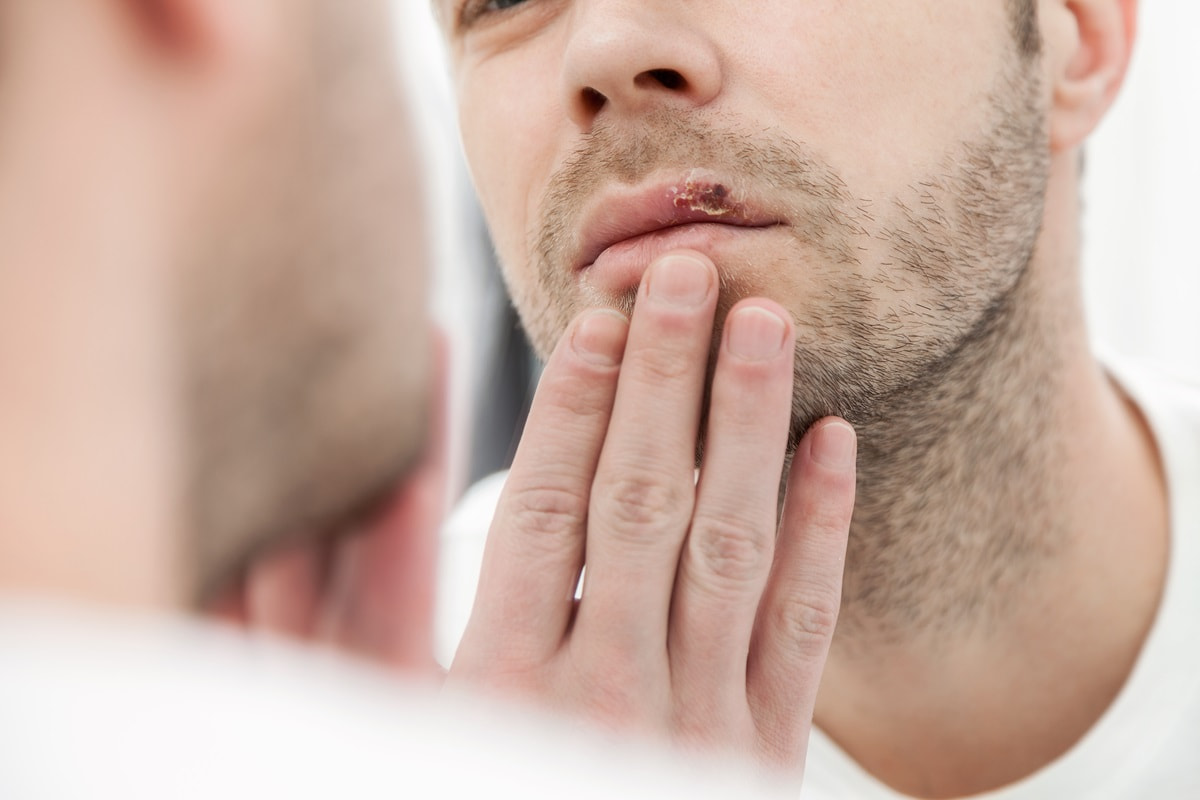
- Oral herpes (mostly HSV-1): Affects around 70% of the UK population
- New genital herpes diagnoses: About 33,000 annually in sexual health clinics
Why It Seems Rare
- Most people don't know they have it: Up to 80% of those infected are unaware
- Stigma prevents discussion: People rarely talk about it openly
- Testing isn't routine: Herpes isn't included in standard STI screens
You're not alone – you're in the majority of people who've encountered this extremely common virus.
Understanding Your Diagnosis
HSV-1 vs HSV-2
Both types can cause genital herpes, but they behave differently:
HSV-1 (traditionally "oral herpes"):
- Increasingly common as a cause of genital herpes
- Usually causes fewer and less severe outbreaks when genital
- May shed (and transmit) less frequently genitally
HSV-2 (traditionally "genital herpes"):
- More likely to cause recurrent outbreaks
- Sheds more frequently when located genitally
- Associated with somewhat higher transmission rates
Knowing your type helps predict patterns and informs discussions with partners.
What to Expect: Outbreaks and Symptoms
First Outbreak
The first outbreak is typically the most severe:
- Painful blisters or sores
- Flu-like symptoms (fever, body aches)
- Swollen lymph nodes
- Pain urinating (if sores near urethra)
- May last 2-4 weeks
Not everyone has a noticeable first outbreak – yours may have been mild or unrecognised.
Recurrent Outbreaks
After the first episode, future outbreaks are usually:
- Less severe and shorter (typically 3-7 days)
- Preceded by warning signs (tingling, itching, burning)
- Less frequent over time
- Sometimes absent entirely
Outbreak Frequency
This varies enormously between individuals:
- Some people have frequent outbreaks (6+ per year)
- Others have occasional outbreaks (1-2 per year)
- Many have infrequent or no recognisable outbreaks
- Frequency typically decreases over years
Common Triggers
Outbreaks may be triggered by:
- Stress
- Illness or fatigue
- Menstruation
- Friction during sex
- Sun exposure (for oral herpes)
- Alcohol or poor diet
Identifying your triggers can help you manage outbreaks.
Treatment Options in the UK
Antiviral Medications
Prescription antivirals are highly effective:
For outbreak treatment:
- Aciclovir, valaciclovir, or famciclovir
- Start at first sign of outbreak for best results
- Reduces severity and duration of outbreaks
- Available on NHS prescription
Suppressive therapy (daily medication):
- Reduces outbreak frequency by 70-80%
- Significantly reduces transmission risk (by about 50%)
- Recommended for frequent outbreaks or to reduce transmission
- Long-term use is safe and effective
Getting Treatment
- See your GP or sexual health clinic
- May be able to request repeat prescriptions for future outbreaks
- Some online services offer legitimate prescriptions
Pain Management
During outbreaks:
- Paracetamol or ibuprofen for pain
- Salt baths can soothe sores
- Loose clothing reduces friction
- Ice packs wrapped in cloth
- Topical anaesthetic gels (lidocaine)
Talking to Partners
This is often the most anxiety-provoking aspect of herpes. Here's how to approach it:
When to Tell
- Before sexual contact that could transmit herpes
- When you're ready and the relationship has potential
- In a private, relaxed setting – not in the heat of the moment
How to Tell
Be direct, calm, and informative:
- "Before we go further, I want to be honest about something."
- Share basic facts: it's common, manageable, you can reduce transmission
- Allow them time to process and ask questions
- Provide resources for them to learn more
Common Partner Reactions
- Many partners are understanding, especially when you're informed
- Some may need time to think or research
- Rejection happens but doesn't mean you're undateable
- Partners who value you will often accept this as part of who you are
Reassuring Statistics
When you're not having an outbreak and use prevention methods:
- Transmission risk is relatively low per sexual encounter
- Many couples where one partner has herpes never transmit to the other
- Suppressive therapy + condoms reduce risk significantly
Reducing Transmission Risk
While you can never eliminate risk entirely, you can reduce it significantly:
Avoid Sex During Outbreaks
- No sexual contact when you have sores or symptoms
- Wait until sores are completely healed
- Include prodromal symptoms (tingling, burning) in this restriction
Use Condoms Consistently
- Condoms reduce transmission by about 30%
- They don't cover all potentially affected areas but still help
- Use them for vaginal, anal, and oral sex
Consider Suppressive Therapy
- Daily antivirals reduce transmission risk by about 50%
- Combined with condoms, risk reduction is substantial
- Discuss with your doctor if this is right for you
Know About Asymptomatic Shedding
- Herpes can shed (be transmissible) without symptoms
- This accounts for most transmission
- Suppressive therapy reduces shedding
Pregnancy and Herpes
If you have herpes and become pregnant:
Low Risk in Most Cases
- If you had herpes before pregnancy, risk to baby is very low (under 1%)
- Your antibodies provide protection to the baby
Higher Risk Scenarios
- Acquiring herpes during pregnancy (especially third trimester) poses higher risk
- Active outbreak at delivery may require caesarean section
Management
- Inform your midwife and obstetrician
- Suppressive therapy may be recommended from 36 weeks
- Vaginal delivery is usually safe if no active outbreak
Emotional Wellbeing
A herpes diagnosis can affect mental health. Here's how to cope:
Immediate Steps
- Allow yourself to process feelings – they're valid
- Learn accurate information – knowledge reduces fear
- Talk to someone you trust
- Remember: this doesn't change who you are
Long-Term Wellbeing
- Most people find the emotional impact decreases significantly over time
- The diagnosis often becomes just a minor aspect of life
- Many report personal growth through learning to communicate about it
Support Resources
- Herpes Viruses Association (HVA): UK charity with helpline and resources
- Sexual health clinic counsellors: Available for support
- Online communities: Connect with others who understand
Common Myths Debunked
"Herpes ruins your dating life"
Reality: Countless people with herpes have fulfilling relationships and active dating lives.
"You can only transmit during outbreaks"
Reality: Asymptomatic shedding means transmission is possible anytime, though risk is lower.
"Herpes leads to serious health problems"
Reality: For most people, herpes is a minor skin condition. Serious complications are rare, mainly affecting those with weakened immune systems.
"You must have been promiscuous"
Reality: Herpes can be acquired from a single sexual encounter or even from childhood (oral HSV-1). It says nothing about behaviour.
"There's no point in telling partners since it's so common"
Reality: Partners deserve to make informed decisions about their own health.
Practical Day-to-Day Tips
- Keep antiviral medication on hand for outbreak treatment
- Learn your prodromal symptoms (early warning signs)
- Manage stress – it's a common trigger
- Maintain overall health through sleep, diet, and exercise
- Don't touch sores, and wash hands if you do
- Avoid sharing towels during outbreaks
The Bottom Line
Herpes is common, manageable, and doesn't define your worth or your future. Many people find that after the initial adjustment, it becomes a minor part of life that rarely causes significant problems.
Take care of your physical and emotional health, communicate honestly with partners, and use available treatments and prevention strategies. You can live a full, healthy, sexually satisfying life with herpes.
Need Support?
If you've been diagnosed with herpes or have questions, we're here to help. Our sexual health experts can provide testing and advice. Book a confidential appointment today.
Disclaimer: This article is for general informational purposes only and does not constitute medical advice, diagnosis, or treatment. Sexual health concerns should always be assessed in the context of individual circumstances, and if you are experiencing symptoms that are persistent, severe, or worsening, we recommend consulting an appropriate healthcare service. Please note that our clinic provides private STI testing services only.
Get Tested Today
Take control of your sexual health with our confidential, comprehensive STI testing services.
Share this article: