Understanding the Scale of Herpes in Britain
Herpes simplex virus (HSV) is one of the most common viral infections in the world, and Britain is no exception. Despite its prevalence, herpes remains widely misunderstood, surrounded by stigma, and frequently undiagnosed. Understanding herpes prevalence in the UK is the first step toward reducing misconceptions and encouraging informed decision-making about sexual health.
Current estimates suggest that a significant proportion of the British adult population carries either HSV-1 or HSV-2, with many individuals completely unaware of their status. This reality has led public health researchers to describe herpes as a "silent epidemic" – widespread, largely asymptomatic, and persistently underreported.
HSV-1 vs HSV-2: What's the Difference?
Herpes simplex virus exists in two distinct types, each with different characteristics and typical patterns of infection.
Herpes Simplex Virus Type 1 (HSV-1)
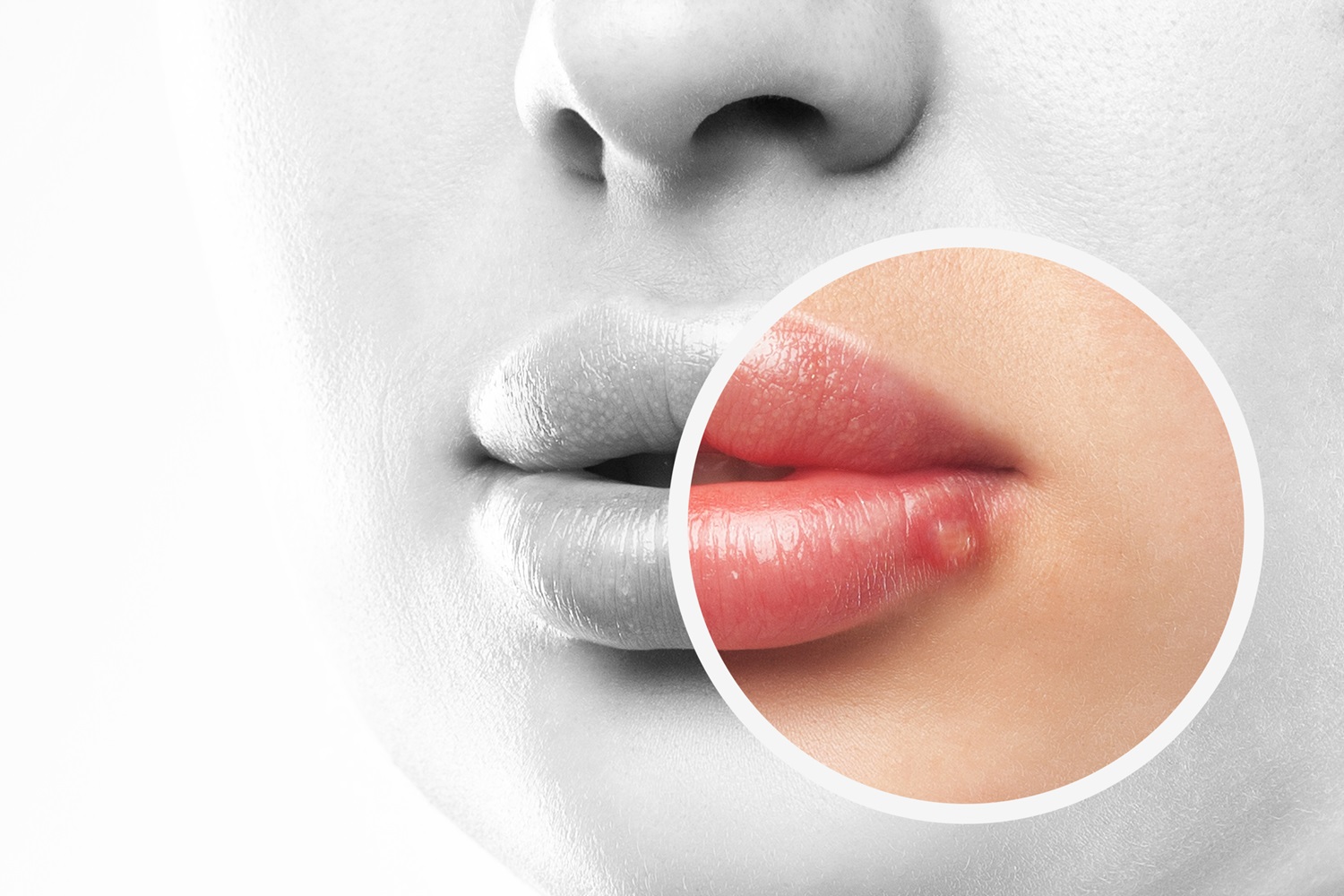
Herpes simplex virus type 1 (HSV-1) is traditionally associated with oral herpes, commonly known as cold sores. This type of herpes is extremely prevalent in Britain, with studies suggesting that more than half of the adult population carries the virus.
Key facts about HSV-1:
- Typically causes cold sores around the mouth and lips
- Usually acquired in childhood through non-sexual contact
- Can also cause genital herpes through oral-to-genital transmission
- Often remains dormant for long periods between outbreaks
- Transmission can occur even when no visible sores are present
Herpes Simplex Virus Type 2 (HSV-2)
Herpes simplex virus type 2 (HSV-2) is primarily associated with genital herpes and is typically transmitted through sexual contact.
Key facts about HSV-2:
- Primarily causes genital herpes infections
- Usually acquired through sexual activity
- Tends to cause more frequent recurrences than genital HSV-1
- Prevalence is estimated at around 10-15% of the British adult population
- Strongly linked to asymptomatic shedding and transmission
While these traditional distinctions exist, it's important to understand that both HSV-1 and HSV-2 can infect either the oral or genital region. The increasing prevalence of genital HSV-1 infections, often transmitted through oral sex, has changed the epidemiological landscape significantly.
How Common Is Herpes in Britain?
Understanding the true prevalence of herpes in Britain requires acknowledging several challenges: many infections are asymptomatic, testing is not routinely offered, and stigma may prevent individuals from seeking diagnosis.
Estimated Prevalence Figures
Based on available seroprevalence studies and public health data:
| Virus Type | Estimated UK Prevalence | Key Demographics |
|---|---|---|
| HSV-1 | 50-70% of adults | Higher in older age groups |
| HSV-2 | 10-15% of adults | Higher in women than men |
| Genital Herpes (combined) | Approximately 1 in 8 adults | Most common in ages 20-35 |
These figures highlight that herpes is far more common than many people realise. The World Health Organization estimates that globally, around 67% of the population under age 50 has HSV-1, and approximately 13% has HSV-2.
Why Many Cases Go Undiagnosed
Several factors contribute to the high rate of undiagnosed herpes in Britain:
- Asymptomatic infection: Up to 80% of people with genital herpes experience no recognisable symptoms
- Mild or atypical symptoms: Many people mistake early outbreaks for other skin conditions
- No routine screening: Herpes is not included in standard STI panels
- Stigma barriers: Fear of diagnosis prevents many from seeking testing
- Limited awareness: Many people don't realise they may be at risk
Recognising Herpes Symptoms in Men and Women
While many herpes infections remain asymptomatic, understanding the potential signs is important for those who do experience symptoms.
Typical Symptoms
Herpes symptoms in men and women can vary significantly, but common presentations include:
Initial (Primary) Outbreak:
- Small, painful blisters or sores on the genitals, buttocks, or thighs
- Tingling, burning, or itching sensation before blisters appear
- Flu-like symptoms including fever, body aches, and swollen lymph nodes
- Pain during urination (particularly for women)
- Primary outbreaks typically occur 2-12 days after exposure
Recurrent Outbreaks:
- Usually less severe than the primary outbreak
- May be preceded by prodromal symptoms (tingling or burning)
- Healing typically occurs within 7-10 days
- Frequency varies greatly between individuals
Atypical Presentations
Many people experience atypical symptoms that don't match the classic description:
- Small cracks or cuts in the skin
- Redness or irritation without visible blisters
- Itching without any visible lesions
- Symptoms mistaken for thrush, ingrown hairs, or dermatitis
These atypical presentations are a key reason why so many herpes infections go unrecognised.
How Herpes Is Transmitted
Understanding transmission is essential for making informed decisions about sexual health and prevention.
Primary Transmission Routes
Skin-to-skin transmission of herpes occurs through direct contact with an infected area, typically during:
- Vaginal, anal, or oral sex
- Kissing (for oral herpes)
- Genital-to-genital contact without penetration
- Contact between mouth and genitals
Genital herpes transmission can occur even when no visible symptoms are present. This phenomenon, known as asymptomatic viral shedding, is responsible for a significant proportion of new infections.
Factors That Increase Transmission Risk
- Active outbreak with visible sores
- First year following initial infection (viral shedding is more frequent)
- Unprotected sexual contact
- Multiple sexual partners
- Compromised immune system
Reducing Transmission Risk
While no method is 100% effective, several strategies can reduce the likelihood of transmission:
- Using barrier protection (condoms and dental dams)
- Avoiding sexual contact during active outbreaks
- Open communication with partners about herpes status
- Regular testing to understand one's status
The Role of Stigma in Herpes Awareness
Perhaps no STI carries as much stigma as herpes, and this stigma has significant public health implications.
Impact of Stigma
The stigma surrounding herpes creates several barriers:
- Reluctance to discuss sexual health with partners
- Avoidance of testing due to fear of diagnosis
- Psychological distress disproportionate to the physical impact
- Inaccurate perception of herpes as rare or unusual
Challenging Misconceptions
Several facts can help put herpes in perspective:
- Herpes is extremely common and affects people from all backgrounds
- Many people with herpes lead completely normal lives
- Outbreaks typically become less frequent over time
- Having herpes does not reflect on one's character or behaviour
- The physical impact is often minimal compared to the psychological burden of stigma
When Herpes Testing May Be Appropriate
Given the high rate of asymptomatic infection and the implications for both individual and partner health, understanding when herpes testing may be appropriate is valuable.
Reasons to Consider Testing
Laboratory testing for HSV may be helpful in the following circumstances:
- Presence of symptoms consistent with herpes (blisters, sores, recurrent irritation)
- A partner has been diagnosed with herpes
- Desire for comprehensive STI screening
- Frequent or recurrent genital symptoms of unknown cause
- Pregnancy planning (to understand transmission risks)
- Peace of mind following potential exposure
Understanding Test Types
Two main types of herpes tests are available:
Viral Detection Tests (Swab Tests):
- Most accurate during an active outbreak
- Samples taken directly from sores or lesions
- Can confirm herpes and determine type (HSV-1 or HSV-2)
Blood Tests (Serology):
- Detect antibodies to HSV-1 or HSV-2
- Can be performed even without symptoms
- May take 2-12 weeks after exposure for antibodies to develop
- Useful for understanding past exposure
Important Considerations
It's worth noting that herpes testing has some limitations:
- Blood tests may not distinguish between oral and genital infection
- False positives and false negatives can occur
- Routine screening is not recommended for everyone
- Testing should be guided by individual circumstances and risk factors
Living with Herpes: A Practical Perspective
For those who have herpes, understanding how to manage the condition practically can be empowering.
What to Expect
- The first outbreak is typically the most severe
- Recurrences tend to become less frequent over time
- Many people experience few or no outbreaks after the first year
- Triggers such as stress, illness, or fatigue may prompt outbreaks
Practical Management Approaches
While this article does not provide medical advice, general awareness of management approaches includes:
- Maintaining overall health and immune function
- Managing stress where possible
- Being aware of personal triggers
- Having open conversations with partners
- Seeking appropriate healthcare support when needed
Prevention and Risk Reduction
Preventing herpes transmission involves a combination of awareness, communication, and practical measures.
Key Prevention Strategies
- Consistent use of condoms and dental dams (noting these reduce but don't eliminate risk)
- Avoiding sexual contact during active outbreaks
- Regular STI testing and open discussion with partners
- Understanding that viral shedding can occur without symptoms
The Importance of Communication
Open communication with sexual partners about STI status and testing is one of the most effective prevention tools. This requires challenging stigma and creating environments where honest conversations about sexual health are normalised.
Summary: Key Facts About Herpes in Britain
Herpes remains one of the most common viral infections in Britain, affecting millions of people. Key points to remember:
- HSV-1 affects an estimated 50-70% of British adults
- HSV-2 affects approximately 10-15% of British adults
- Up to 80% of people with genital herpes don't know they have it
- Both types can cause oral or genital infections
- Transmission can occur without visible symptoms
- Stigma remains a significant barrier to testing and awareness
- Testing is available for those who wish to understand their status
- Herpes is a manageable condition with minimal physical impact for most people
Understanding herpes as a common, manageable condition rather than something to fear can help reduce stigma and encourage more people to take charge of their sexual health through informed decision-making and appropriate testing.
Disclaimer: This article is for general informational purposes only and does not constitute medical advice, diagnosis, or treatment. Sexual health concerns should always be assessed in the context of individual circumstances, and if you are experiencing symptoms that are persistent, severe, or worsening, we recommend consulting an appropriate healthcare service. Please note that our clinic provides private STI testing services only.
Get Tested Today
Take control of your sexual health with our confidential, comprehensive STI testing services.
Share this article: