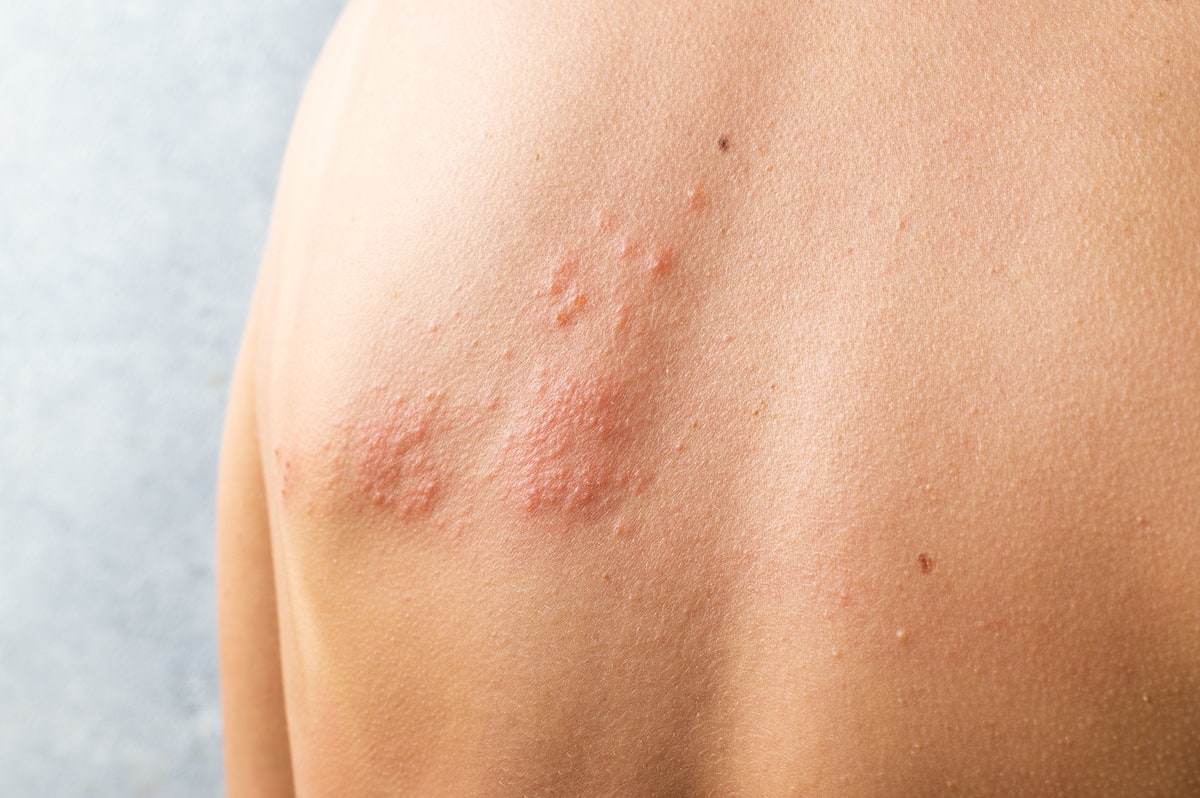
Understanding What Herpes Looks Like
If you've noticed an unusual sore, blister, or rash and you're wondering whether it could be herpes, you're not alone. "What does herpes look like?" is one of the most commonly searched questions about sexual health—and for good reason. Herpes can present very differently depending on the body part affected, the type of virus involved, and whether it's a first outbreak or a recurrence.
This guide will walk you through the typical appearance of herpes on various body areas, explain the stages of an outbreak, help you distinguish herpes from other conditions, and outline when herpes testing in London is recommended for accurate diagnosis.
HSV-1 vs HSV-2: Two Viruses, Similar Symptoms
Before exploring what herpes looks like in different locations, it's important to understand the two types of herpes simplex virus:
- HSV-1 traditionally causes oral herpes (cold sores around the mouth) but can also cause genital infections through oral-genital contact
- HSV-2 primarily causes genital herpes but can occasionally affect the mouth or other areas
Both virus types can cause similar-looking sores, making visual identification alone unreliable. That's why HSV-1 and HSV-2 testing is essential for accurate diagnosis. Understanding which type you have helps predict recurrence patterns and informs prevention strategies.
Herpes transmission occurs through saliva or direct skin-to-skin contact with an infected area—even when no visible symptoms are present.
Early Warning Signs: The Prodrome Phase
Many people experience warning signs before visible sores appear. This "prodrome" phase typically occurs 1–2 days before an outbreak and may include:
- Tingling or itching at the site where sores will develop
- Burning or prickling sensations in the affected area
- Localised numbness or unusual sensitivity
- Flu-like symptoms (fatigue, low-grade fever, body aches)—especially during first outbreaks
- Swollen lymph nodes near the affected region
Recognising these early signs can help you take action—such as starting antiviral treatment—before sores fully develop.
What Herpes Looks Like on the Mouth and Lips
Oral herpes, commonly known as cold sores or fever blisters, typically appears around the lips, but can also affect the chin, cheeks, nose, or inside the mouth.
Typical Appearance
- Small, fluid-filled blisters clustered together on a red base
- Blisters usually form on the border between the lip and surrounding skin
- Size ranges from 2–5mm, though clusters may appear larger
- Clear fluid inside blisters turns cloudy as they mature
Stages of Oral Herpes
- Tingling/prodrome (Day 1): Itching or burning sensation before anything is visible
- Blister formation (Days 2–3): Small, raised blisters filled with clear fluid
- Weeping/ulceration (Days 4–5): Blisters burst, leaving shallow, painful ulcers
- Crusting (Days 5–8): Yellow or brown scabs form over ulcers
- Healing (Days 8–10): Scabs fall off, revealing pink healing skin
If you're experiencing oral herpes symptoms, testing can confirm the diagnosis and guide treatment options.
What Herpes Looks Like on the Genitals
Genital herpes can affect the penis, vulva, vagina, perineum, buttocks, and upper thighs. First outbreaks tend to be more severe than recurrences.
Typical Appearance in Women
- Blisters or ulcers on the vulva, labia, vaginal opening, or cervix
- Sores may extend to the inner thighs, buttocks, or perineum
- Internal lesions (on the vagina or cervix) may cause discharge or bleeding
- Swelling and redness of the genital area
Typical Appearance in Men
- Blisters or sores on the penis (shaft, glans, or foreskin)
- Lesions may appear on the scrotum, thighs, or buttocks
- Urethral involvement may cause discharge or painful urination
Common Features
- Grouped blisters that burst to form shallow ulcers
- Ulcers have a raw, red base with greyish centres
- Significant pain, especially during first outbreak
- Healing within 2–4 weeks (first outbreak) or 3–7 days (recurrences)
If you notice genital herpes signs, early testing and treatment can reduce symptom severity and transmission risk.
Herpes Sores on the Genitals: A Closer Look
Understanding the specific appearance of herpes sores on the genitals helps distinguish them from other conditions:
First Outbreak Characteristics:
- Multiple painful blisters in clusters
- May cover a larger area than recurrent outbreaks
- Often accompanied by fever, body aches, and headache
- Painful urination if sores are near the urethra
- Recovery can take 2–4 weeks without treatment
Recurrent Outbreak Characteristics:
- Usually fewer blisters, confined to smaller area
- Often appear in the same location each time
- Milder symptoms overall
- Heal faster—typically within 3–7 days
What Herpes Looks Like on the Rectum and Anus
Rectal herpes is often under-recognised but affects many people who engage in anal sex. The symptoms can be mistaken for haemorrhoids or anal fissures.
Typical Appearance
- Blisters and ulcers around the anus
- Sores may extend inside the rectum
- Raw, painful areas that may bleed
- Swelling and inflammation around the anal region
Associated Symptoms
- Pain during bowel movements
- Rectal discharge (clear or bloody)
- Constipation or difficulty passing stool
- Itching and burning
If you're experiencing rectal herpes symptoms, a comprehensive STI screening can check for herpes alongside other infections that may present similarly.
Herpetic Whitlow: Herpes on the Fingers
Herpes can infect the fingers, a condition known as herpetic whitlow. This typically occurs when the virus enters through a cut or break in the skin.
Who Is at Risk?
- Healthcare workers exposed to oral or genital secretions
- People who touch their own herpes sores
- Nail biters or thumb suckers with oral herpes
- Dental professionals
Typical Appearance
- One or more painful blisters on a fingertip or around the nail
- Deep, swollen blisters that may look like a bacterial infection
- Intense throbbing pain
- Swelling of the finger
- Possible red streaking up the hand (lymphangitis)
Herpetic whitlow is often misdiagnosed as a bacterial paronychia (nail infection), leading to unnecessary surgical drainage. Proper diagnosis through testing is essential.
Ocular Herpes: Herpes of the Eye
Herpes can affect the eye—a condition known as ocular herpes (herpes keratitis). This is a serious condition requiring prompt medical attention.
Warning Signs
- Eye redness and irritation
- Pain in or around the eye
- Excessive tearing or watery discharge
- Light sensitivity (photophobia)
- Blurred vision
- Gritty or foreign body sensation
- Visible sores on the eyelid or around the eye
Why It's Serious
Untreated ocular herpes can cause corneal scarring and permanent vision impairment. If you suspect eye involvement, seek immediate ophthalmological evaluation alongside appropriate STI testing.
The Stages of a Herpes Outbreak
Understanding the typical progression helps you identify and manage outbreaks:
Stage 1: Prodrome (Days 1–2)
- Tingling, itching, burning, or numbness
- No visible lesions yet
- Best time to start antiviral treatment
Stage 2: Blister Formation (Days 2–4)
- Small, fluid-filled blisters appear
- Clusters form on reddened skin
- Blisters are most contagious at this stage
Stage 3: Ulceration (Days 4–5)
- Blisters burst, releasing fluid
- Shallow, painful ulcers remain
- Highest risk of transmission
Stage 4: Crusting (Days 5–8)
- Yellow or brown scabs form
- Pain begins to subside
- Healing tissue beneath scabs
Stage 5: Healing (Days 8–14)
- Scabs fall off naturally
- Pink, new skin visible underneath
- Risk of transmission decreases significantly
Conditions Commonly Confused With Herpes
Many skin conditions resemble herpes, leading to anxiety—or conversely, false reassurance. Here's how to tell them apart:
Ingrown Hairs and Shaving Rash
A common concern is distinguishing inguinal shaving rash from herpes. Key differences:
- Shaving rash: Red bumps at hair follicle sites, often with a visible hair inside; improves with time away from shaving
- Herpes: Clustered blisters that ulcerate; recurs in the same location; preceded by tingling
When in doubt, comprehensive STI screening can provide clarity.
Yeast Infections
Differentiating yeast infection from herpes can be challenging:
- Yeast infection: Intense itching, thick white discharge, redness without blisters, responds to antifungal treatment
- Herpes: Painful blisters that ulcerate, may have clear discharge, doesn't respond to antifungals
If you're unsure, an STI testing overview can help determine the cause.
Other STIs That Cause Genital Bumps
Several STIs that cause genital bumps may be confused with herpes:
- Syphilis: Single, painless chancre rather than multiple painful blisters
- Genital warts (HPV): Cauliflower-like growths, usually painless
- Molluscum contagiosum: Dome-shaped bumps with central dimple
- Chancroid: Painful ulcers, but softer and less defined edges than herpes
Non-STI Conditions
- Eczema or dermatitis: Dry, scaly patches; not clustered blisters
- Contact dermatitis: Reaction to soaps, lubricants, or condoms; resolves when irritant removed
- Bartholin's cyst: Single, round swelling near vaginal opening; not an ulcer
- Folliculitis: Pus-filled bumps at hair follicles; bacterial cause
How Herpes Is Diagnosed
Visual inspection alone cannot reliably diagnose herpes. Laboratory testing provides accurate confirmation:
HSV PCR Swab Test
An HSV PCR swab test is the gold standard for diagnosis during an active outbreak:
- Swab taken directly from a blister or ulcer
- Detects viral DNA with high sensitivity
- Identifies whether HSV-1 or HSV-2 is responsible
- Most accurate when lesions are fresh (within first 48 hours)
- Results typically within 2–5 days
Herpes Blood Test (ELISA/IgG)
A herpes blood test (ELISA) detects antibodies and is useful when:
- No active lesions are present
- You want to know your status before symptoms appear
- You've been exposed to a partner with herpes
- You need type-specific results (HSV-1 vs HSV-2)
Important note: Antibodies take 12–16 weeks to develop after infection, so testing too early may yield false negatives.
Treatment Options for Herpes
While there's no cure for herpes, effective treatments manage symptoms and reduce transmission:
Antiviral Medications
- Aciclovir (Zovirax): Most commonly prescribed; available as tablets or cream
- Valaciclovir (Valtrex): Prodrug of aciclovir; better absorption, less frequent dosing
- Famciclovir (Famvir): Alternative option with similar efficacy
Treatment Approaches
- Episodic treatment: Taken at the first sign of an outbreak to shorten duration
- Suppressive therapy: Daily medication to reduce outbreak frequency and transmission risk
- Topical treatments: Creams may provide symptom relief but are less effective than oral antivirals
Outbreak Triggers and Prevention
Understanding what triggers herpes outbreaks helps you manage the condition:
Common Triggers
- Stress: Physical or emotional stress can weaken immune response
- Illness or fatigue: When your immune system is compromised
- Sun exposure: UV light can trigger oral herpes outbreaks
- Menstruation: Hormonal changes may precipitate outbreaks
- Friction or trauma: Sexual activity or skin irritation
- Immunosuppression: Conditions or medications that weaken immunity
Prevention Strategies
- Get adequate sleep and manage stress
- Use lip balm with SPF for oral herpes
- Avoid sexual contact during outbreaks
- Consider suppressive therapy if outbreaks are frequent
- Communicate openly with partners about your status
Protecting Your Partners
If you have herpes, you can still have a healthy sex life while protecting partners:
- Disclose your status to sexual partners before intimacy
- Avoid sex during outbreaks and prodrome phases
- Use condoms consistently (reduces but doesn't eliminate transmission)
- Consider suppressive therapy (reduces transmission by ~50%)
- Recognise your symptoms to avoid sex during early outbreak signs
Regular STI screening is important for sexually active individuals, regardless of symptoms.
When to Get Tested for Herpes
Consider herpes testing if you:
- Have visible blisters, ulcers, or sores on or around your genitals, mouth, or anus
- Experience recurring tingling, burning, or pain in genital or oral areas
- Have been exposed to a partner with known herpes
- Want to know your status before starting a new relationship
- Experience symptoms that could be herpes but aren't sure
- Are pregnant or planning pregnancy (herpes can affect newborns)
Early diagnosis allows for proper treatment, reduces anxiety, and helps protect future partners.
Our Herpes Testing Services
Our confidential sexual health clinic offers comprehensive herpes testing with:
- PCR swab testing during active outbreaks (most accurate method)
- Type-specific blood antibody testing for HSV-1 and HSV-2
- Fast, confidential results delivered securely
- Expert clinical support for diagnosis and treatment
- Discreet service in central London
Whether you've noticed symptoms or simply want peace of mind, accurate testing is the first step toward taking control of your sexual health.
The Bottom Line
Herpes can look different depending on where it appears—from classic cold sores on the lips to painful genital ulcers, finger blisters, or even eye involvement. While the appearance provides clues, laboratory testing is essential for accurate diagnosis.
If you're experiencing suspicious symptoms or have been exposed to herpes, don't let uncertainty affect your wellbeing. Modern testing is quick, confidential, and accurate—and knowing your status empowers you to manage the condition effectively and protect those you care about.
Ready for Answers?
Book your confidential herpes test today and get the clarity you deserve. Our experienced team provides supportive, judgement-free care throughout the testing process.
Disclaimer: This article is for general informational purposes only and does not constitute medical advice, diagnosis, or treatment. Sexual health concerns should always be assessed in the context of individual circumstances, and if you are experiencing symptoms that are persistent, severe, or worsening, we recommend consulting an appropriate healthcare service. Please note that our clinic provides private STI testing services only.
Get Tested Today
Take control of your sexual health with our confidential, comprehensive STI testing services.
Share this article:


